RDOT Sticker Meaning on Cars: What They Mean and Why They Matter for Buyers
Discover the RDOT Sticker Meaning on Cars, why it signals replaced panels, how it reveals prior accidents, and what every buyer should check before purchasing
Joshua Shane Bentley
10/10/20252 min read
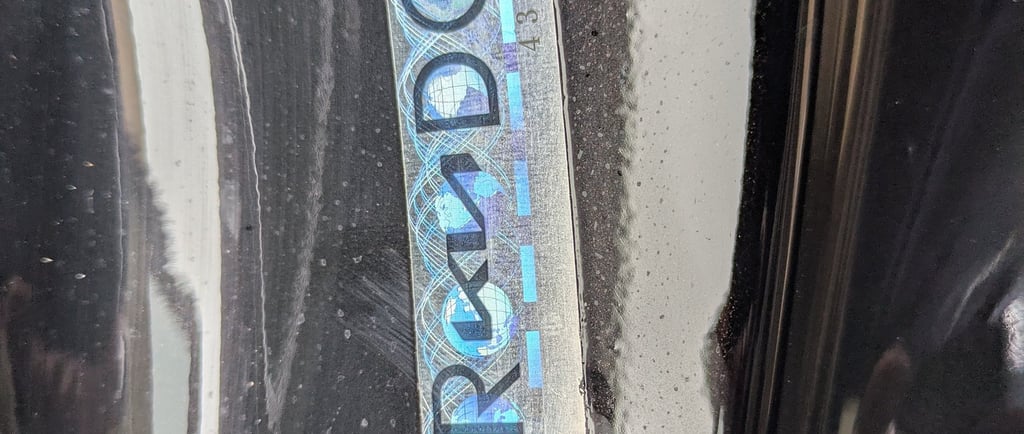
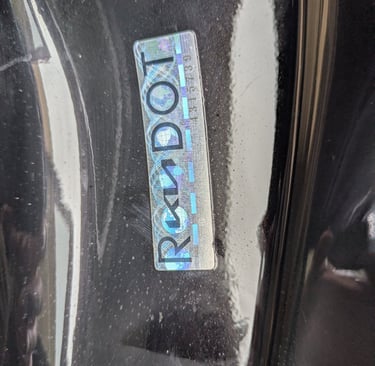
RDOT Stickers on Cars: What They Mean and Why They Matter for Buyers
When shopping for a used car, you may come across a small but important detail under the hood or on a body panel: an RDOT sticker.
At first glance, it may not seem like much. But professional buyers know that RDOT stickers often hold critical clues about a vehicle’s history—and whether or not it has been in an accident.
In this guide, we’ll break down what RDOT stickers are, where to find them, and why they matter when you’re making a buying decision.
What Does RDOT Stand For?
RDOT means “Replacement Department of Transportation.”
When you see an RDOT sticker on a panel, hood, fender, or door, it means that part has been replaced. From the factory, many cars come with VIN (Vehicle Identification Number) stickers on their original panels. If the original is gone and replaced with an RDOT sticker, it tells you that the factory part is no longer there.
Why Would a Car Have an RDOT Sticker?
Panels get replaced for a variety of reasons:
Tree or object falling on the hood 🌳
Severe hail damage ⛈️
Rollover accidents 🚨
Most commonly: a front-end collision
When you see an RDOT sticker, the next step is to ask: Why was this part replaced?
Where to Look for RDOT Stickers 👀
RDOT stickers can appear in many places, including:
On the hood (very common)
On fenders or quarter panels
On doors or trunk lids
Occasionally on the roof after a rollover
Spotting one replacement often leads you to check other panels nearby. For example, if the hood has an RDOT sticker, check the fenders, aprons, and frame rails for signs of additional damage or repair.
Why RDOT Stickers Matter 🚗
Not every replacement panel is a deal-breaker. Sometimes it’s just cosmetic damage that’s been properly repaired. But RDOT stickers can also indicate:
Prior structural damage
Poor-quality repairs
Possible frame rail or apron damage
Airbag deployment (and uncertainty about whether airbags were properly replaced)
Reduced overall safety and value of the vehicle
In other words, an RDOT sticker is a red flag that tells you to dig deeper.
How RDOT Stickers Impact Buying Decisions
Finding an RDOT sticker doesn’t automatically mean you should walk away. But it does mean you need to:
Inspect the surrounding areas closely for hidden damage.
Verify the quality of the repair and replacement work.
Factor the vehicle’s history into your negotiation.
👉 If the damage is minimal and the repair is solid, you may choose to move forward—but only at a fair price.
👉 If the damage is extensive, it may be safer and smarter to walk away and find a cleaner vehicle.
The Bottom Line
RDOT stickers are one of those subtle signs that most buyers overlook but professionals never ignore. They tell you that a panel has been replaced, often due to prior accident damage.
By checking for and spotting RDOT stickers, you’ll:
Avoid costly mistakes
Make smarter buying decisions
See beyond what CarFax or AutoCheck reports reveal
Because at the end of the day, the car itself is the only truly reliable history report.
RDOT Stickers Explained: Hidden Accident Clues
🚗 What’s an RDOT Sticker—and Why Should You Care?
